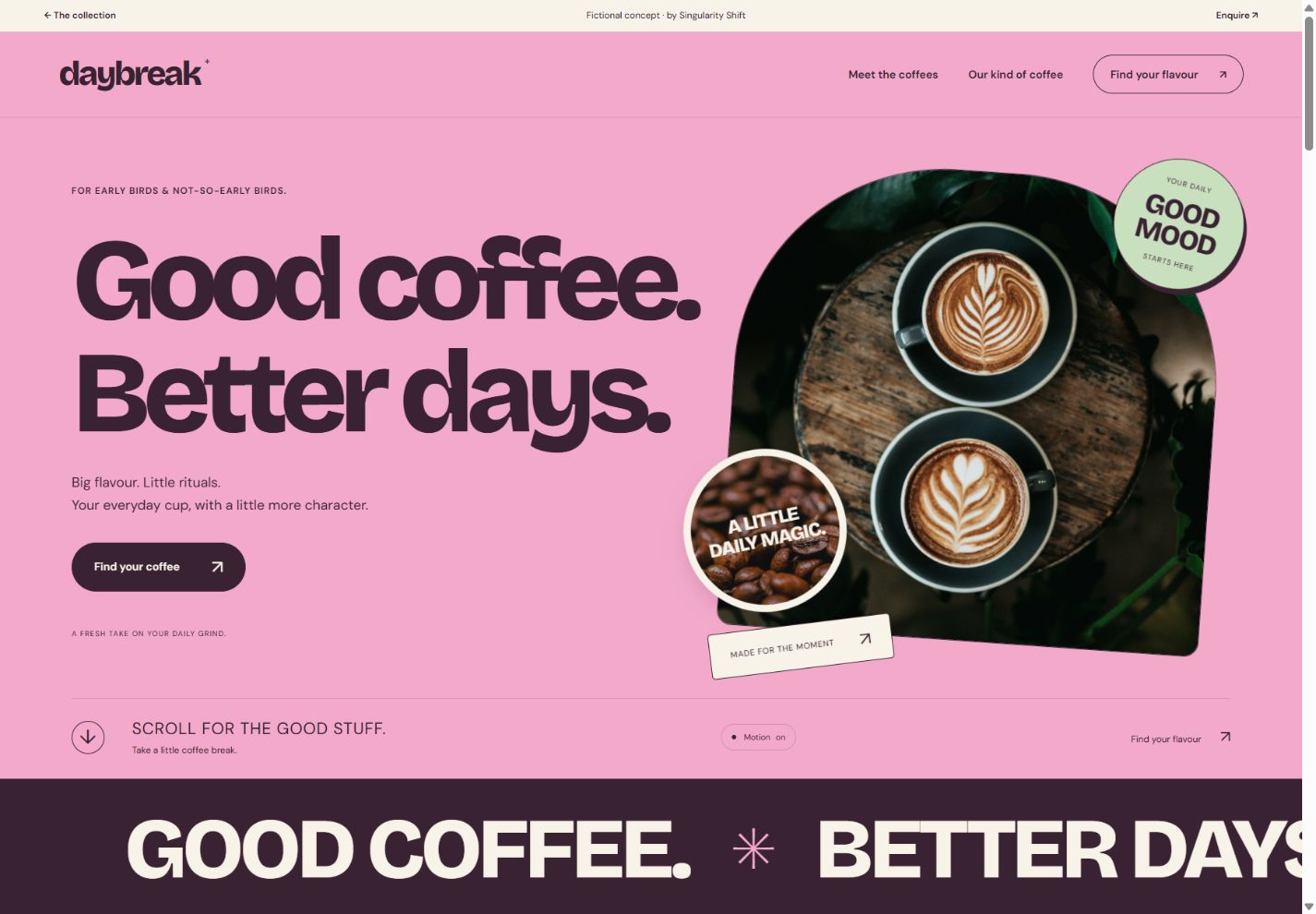
Websites & web development
Make the right impression.
Clear content, considered design and a site that works well on a phone. From a new business website to a redesign or a more capable web application.
Explore website services
Web design & development · Cheltenham · UK-wide
I’m James, a website designer and software developer in Cheltenham. I build websites that reflect your business, improve the ones you already have, and create custom tools that make everyday work easier.
Work directly with James · Bespoke scope and pricing · Small projects welcome
Ways I can help
A website you are proud to share. Less time copying information between tools. An idea brought to life. We can start with one focused improvement or a complete build.
Websites & web development
Clear content, considered design and a site that works well on a phone. From a new business website to a redesign or a more capable web application.
Explore website servicesCustom software & integrations
Connect the tools you rely on, reduce repetitive admin or build an application around a workflow that off-the-shelf software does not quite fit.
Explore custom softwareImprovements & technical rescue
Get help with a slow website, an awkward integration or a build that has stalled. Understand what is worth keeping and agree a manageable next step.
Improve an existing systemSelected work
My work spans websites, marketplace platforms and mobile and desktop products. Here are some of the projects behind that experience.
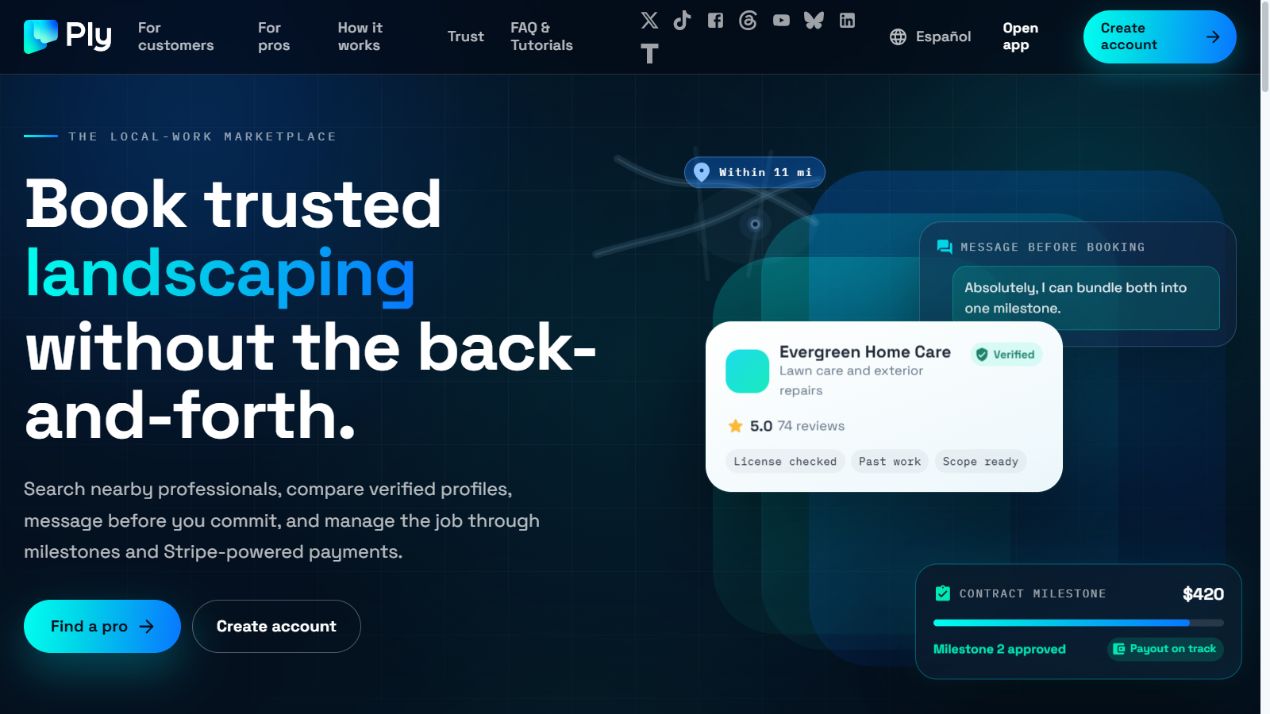
Web platform · Plyapp.io
Built and improved a production marketplace platform across its React frontend, Rust API, PostgreSQL data and customer-facing email workflows.
My contribution: frontend and backend development, data and email integrations.
Visit Plyapp.io (opens in a new tab)Mobile product · Infer Wallet
Designed and built a non-custodial Android wallet for Move networks, from the interface to real-device delivery and a Google Play release.
View Infer Wallet on Google Play (opens in a new tab)Desktop product · Infer Desk
A cross-platform desktop wallet for the Cedra network, bringing together encrypted storage, DApp integration and an update path designed for real-world releases.
My wider engineering work includes cryptographic proof systems, Move development and AI-assisted tools. The technology follows the needs of the project.
Working together
You do not need a finished brief or a list of technologies.
Tell me what you want to achieve and where things stand. I’ll help turn that into a piece of work you can understand, with the important decisions made together.
Your business, the people using it, what is getting in the way and what success would look like.
A proposal that sets out what is included, the assumptions and the proposed next step before work begins.
Review the design and working progress, ask questions and make decisions with the person building it.
Check the result, understand how it works and agree any follow-on work or support you need.
Scope & pricing
Every project is priced individually. Small improvements are welcome, and larger builds can be broken into clear, useful stages.
A focused improvement
Improve a website, fix an awkward workflow, connect two tools or test a product idea. We agree a scope that makes sense for the need.
A complete build
Work together from planning and design through development and launch, with the scope, delivery stages and costs set out in the proposal.
After an initial conversation, I’ll recommend a next step and explain what is included, what is excluded and what it costs. If an existing system needs investigation, we can scope that first instead of guessing at the whole build.
How a bespoke software quote is scopedHave a budget or a date in mind? Include it in your enquiry so we can discuss a realistic scope.
Tell me what you need A rough outline is enough. No finished brief required.James Walford · Founder of Singularity Shift
Based in Cheltenham, working with individuals, founders and businesses across the UK.
I build my own products as well as helping other people with theirs. That means thinking about the whole experience: how it looks, how it works and what happens after launch.
My experience spans website design, full-stack development, mobile and desktop software, and the more specialised systems behind them. I bring that range to the size of project you need.
What that means for you
You can talk through the problem in your own words. I’ll explain the options and trade-offs without asking you to become a software expert.
Sometimes the answer is a new website or a custom tool. Sometimes an improvement to what you already use is the better place to start.
AI can be useful for some projects. I treat it as one option in the toolkit, alongside straightforward design, development and integration work.
Talk to JamesBefore you start
Practical guides to help you decide what you need, what to ask and where to start.

Product partnership
Through the Inferenco partnership, I also work across applied AI, mobile and decentralised technology for projects that call for specialist collaboration.
A rough outline is enough
A new website, a better version of what you have, or a problem you are not sure how to solve.
Tell me a little about your business, what you need and any existing website. If you have a budget or deadline in mind, include that too.
singularityshiftai@gmail.comWhat happens next? We’ll clarify the need, discuss a sensible next step and agree scope and cost before any paid work starts.
Work directly with James · Small projects welcome · No finished brief required